Adam Dunn's Journey to Multi-Million Dollar Contracts: Unpacking the Big Donkey's MLB Career Earnings
Adam Troy Dunn, affectionately known throughout Major League Baseball as "Big Donkey," carved out an impressive career spanning over a decade, primarily celebrated for his prodigious power at the plate. While fans often focus on his towering home runs and distinct batting stance, a deeper dive into Adam Dunn's financial trajectory reveals a testament to his consistent performance and market value in professional sports. This article aims to meticulously break down his MLB career earnings, shedding light on the contracts that contributed significantly to his overall financial standing, often conflated with his adam dunn net worth.
Born on November 9, 1979, in Houston, Texas, Dunn's path to baseball stardom began with humble origins before culminating in lucrative contracts. After graduating from New Caney High School, his raw power and potential quickly caught the eye of scouts. He was selected as a second-round pick by the Cincinnati Reds in the 1998 Major League Baseball Draft, marking the beginning of a professional journey that would see him earn tens of millions of dollars throughout his playing days.
The Ascent of a Power Hitter: Early Career & Initial Contracts
Adam Dunn debuted in the MLB with the Cincinnati Reds in 2001, quickly establishing himself as a formidable slugger. His early years were characterized by a blend of monstrous home runs and a high strikeout rate, a profile that, while polarizing, consistently commanded attention. During this period, Dunn navigated the standard progression of an MLB player's financial journey: rookie contracts, followed by arbitration-eligible years, and eventually, free agency.
- Rookie Contract Phase (1998-2003): As a second-round pick, Dunn would have signed an initial signing bonus, followed by minimum salary contracts during his initial years in the majors. While not disclosed in the provided context, MLB minimum salaries steadily increase over time, but his earnings would have been relatively modest compared to his later contracts.
- Arbitration Years (2004-2007): As Dunn accumulated service time and continued to produce at a high level (consistently hitting 40+ home runs), he became eligible for salary arbitration. This process typically results in significant pay raises for proven players. Although specific figures for these years are not provided in our reference, it's safe to assume Dunn's salary escalated considerably during this period, recognizing his status as a core player for the Reds. His performance made him a valuable asset, justifying substantial increases in his yearly compensation long before hitting the open market.
These initial contracts, though individually less eye-popping than his later deals, were crucial steps in building his financial foundation and demonstrating his worth to potential future employers. They set the stage for the massive free-agent contracts that would define the peak of his earning potential.
Decoding Adam Dunn's Major League Contracts: A Financial Timeline
Adam Dunn's career saw him play for several teams, each move contributing to his accumulating wealth. His contracts reflect his consistent power numbers and the evolving market for sluggers in the MLB.
Cincinnati Reds: Building a Reputation and Value
From 2001 to mid-2008, Dunn was a cornerstone of the Cincinnati Reds. During these years, he developed into one of the league's premier power hitters, consistently ranking among the league leaders in home runs, walks, and RBIs. This period, while lacking specific multi-year contract details in our immediate context, undoubtedly saw his earnings grow from rookie scale to multi-million dollar arbitration awards as his market value soared. By the time he was traded, he was a highly sought-after commodity, signaling his readiness for a major free-agent payday.
A Brief Stop with the Arizona Diamondbacks (2008)
In August 2008, Dunn was traded to the Arizona Diamondbacks. This move, while short-lived, was a significant event in his career, signaling his transition from a long-term Red to a player on the cusp of free agency. The trade involved Dallas Buck, Micah Owings, and Wilkin Castillo heading to the Reds. For Dunn, this stint likely saw him finish out his existing Reds contract or a short-term deal that preceded his entry into the free-agent market. While the Diamondbacks didn't sign him to a long-term deal, his performance there continued to showcase his power, maintaining his value for the upcoming offseason.
Washington Nationals: The First Big Free Agent Deal
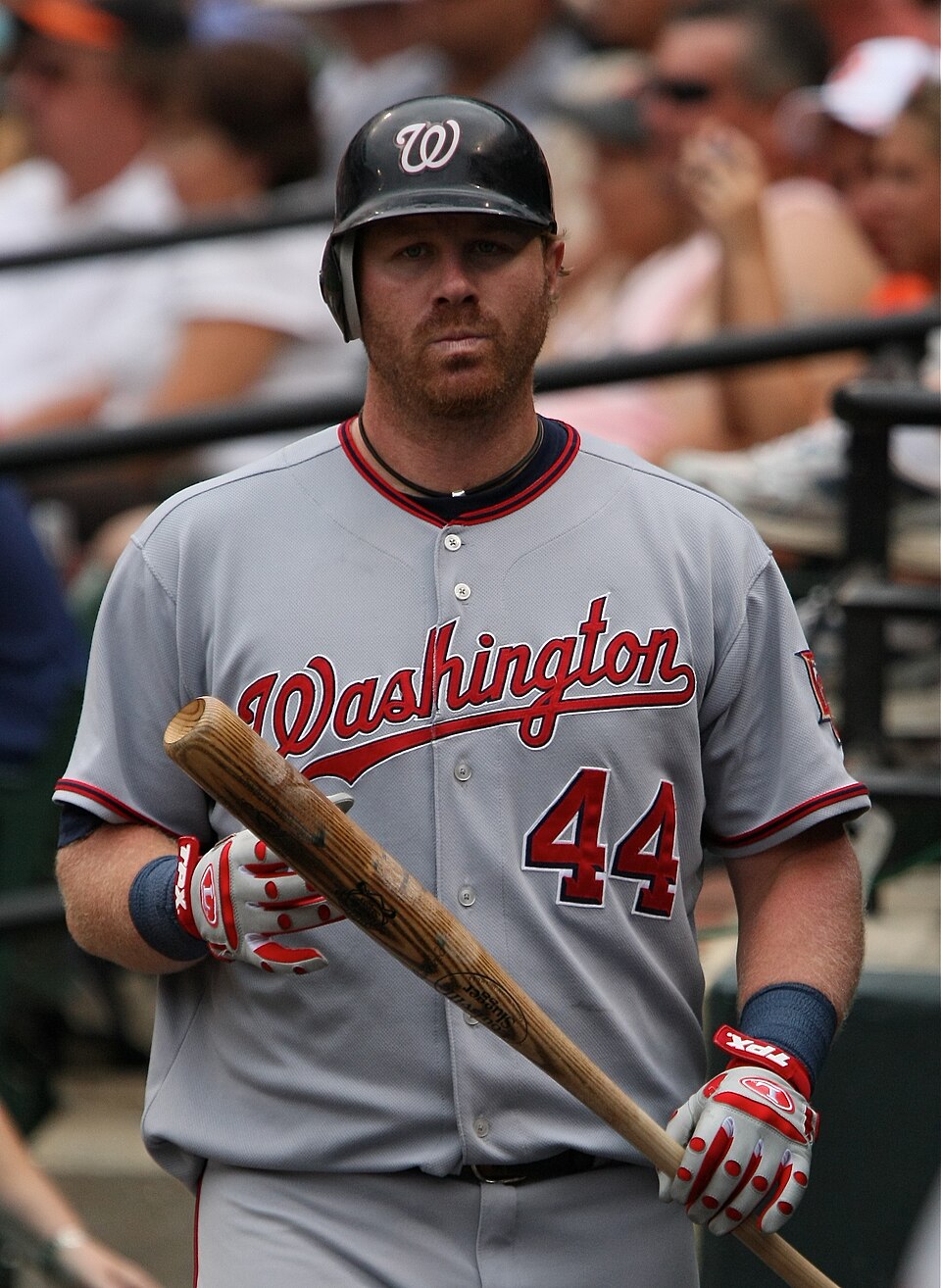
In February 2009, Adam Dunn made his first significant splash in free agency, signing a substantial contract with the Washington Nationals. This deal was a clear indicator of his established market value: a two-year, $20 million contract. For a power hitter of Dunn's caliber, this guaranteed income was a major milestone, solidifying his position as one of the league's higher-paid sluggers. Over these two seasons (2009-2010), Dunn continued his consistent power-hitting, proving his worth and setting the stage for an even larger payday. This contract alone significantly boosted his overall career earnings and provided financial stability for him and his family.
Chicago White Sox: The Mega-Contract Era
Following his productive stint with the Nationals, Adam Dunn entered free agency again and secured the largest contract of his career. In December 2010, the Chicago White Sox signed him to a monumental four-year, $56 million contract. This deal represented the pinnacle of his earning potential, recognizing his unique skill set as a designated hitter and occasional first baseman/outfielder with elite power. For instance, in 2012, Dunn received a salary of $14 million, a clear reflection of this lucrative agreement. This contract, valued at an average of $14 million per year, demonstrated the White Sox's faith in his ability to be a cornerstone of their lineup for years to come. For more details on this landmark deal, readers can explore Big Donkey's Big Deals: Adam Dunn's 56 Million White Sox Contract, which delves deeper into the specifics and implications of this significant agreement.
Estimating Adam Dunn's Career Earnings and Financial Legacy
To accurately gauge Adam Dunn's career earnings, we can sum up his known contract values and make reasonable estimations for the periods where specific figures aren't provided in the public context.
- Washington Nationals: $20 million (2009-2010)
- Chicago White Sox: $56 million (2011-2014)
- Estimated Reds/Diamondbacks Earnings (1998-2008): While exact figures aren't public, based on MLB salary structures, a player like Dunn would have earned an estimated $15-25 million through his rookie contracts, arbitration years, and a pro-rated portion of his salary during his brief Diamondbacks tenure. This includes signing bonuses, escalating minimum salaries, and significant arbitration raises as a consistent 40-homer threat.
Combining these figures, Adam Dunn's total MLB career earnings can be conservatively estimated to be in the range of $90 million to over $100 million. This impressive sum reflects his longevity, consistent power production, and successful navigation of free agency.
It's crucial to distinguish between "career earnings" and adam dunn net worth. Career earnings represent the gross salary received from playing contracts over his career, before taxes, agent fees, and other deductions. A person's net worth, on the other hand, is a comprehensive calculation of all assets (investments, properties, savings) minus all liabilities (debts, mortgages). While his substantial earnings certainly provide a strong foundation for a high net worth, without insight into his personal investments, expenditures, and financial planning, a precise figure for adam dunn net worth remains speculative. For a more detailed look at his financial path, including key contractual moments, read Adam Dunn's Financial Journey: Key Contracts and Career Milestones.
Beyond the Bat: Understanding Athlete Finances & Wealth Management
Adam Dunn's journey highlights a common trajectory for successful athletes: initial modest earnings, followed by significant contractual windfalls. For professional athletes, managing these substantial earnings is as critical as earning them. Here are some insights and tips related to wealth management for athletes like Dunn:
- Strategic Financial Planning: Athletes often face short career windows and need robust financial plans to ensure long-term security. This includes investment strategies, retirement planning, and wealth preservation.
- Diversification of Income: Beyond playing salaries, many athletes supplement their income through endorsements, appearances, and business ventures. While the provided context doesn't detail Dunn's specific endorsements, for a player of his profile, opportunities for off-field income would have been present.
- Professional Guidance: The complexity of high-value contracts and large sums of money often necessitates financial advisors, accountants, and legal counsel specializing in athlete wealth management.
- Post-Career Planning: Many athletes transition into new careers or investment roles after retirement. The capital accumulated during their playing days provides the freedom to pursue these new ventures or enjoy a comfortable retirement. Dunn's significant career earnings position him well for such a future.
Conclusion
Adam Dunn's MLB career was marked by incredible power and a financial journey that saw him earn over an estimated $90-100 million through his playing contracts. From his beginnings as a second-round pick to securing a massive $56 million deal with the Chicago White Sox, his financial trajectory mirrors his impact on the field as the "Big Donkey." While calculating a precise adam dunn net worth requires private financial details, his extensive career earnings undeniably form the bedrock of his substantial financial standing. Married to Rachel Brown, with whom he shares a son, Brady, Dunn's legacy extends beyond his statistics to a remarkable financial success story in professional baseball, underscoring the lucrative nature of elite performance in America's pastime.
